
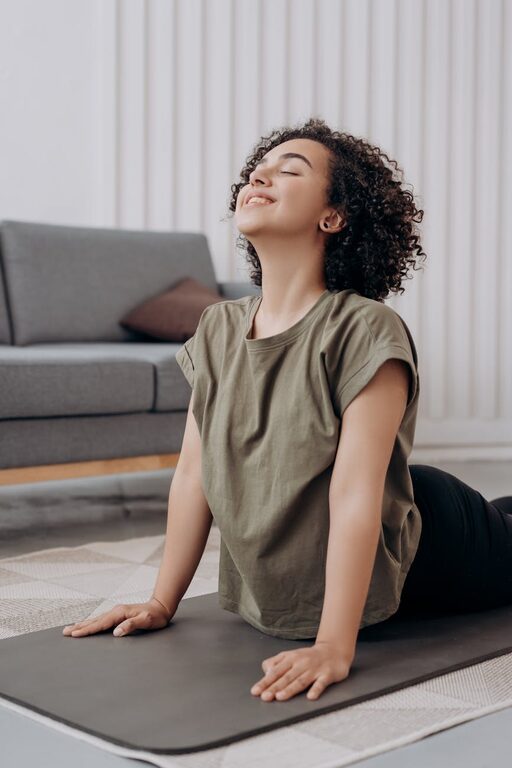
Stretching is a simple and accessible way to improve flexibility, reduce muscle tension, and boost overall well-being. You don’t need a gym or special equipment to start stretching—your own home is the perfect place to build a daily routine. This beginner’s guide will walk you through the basics of stretching at home, helping you feel more relaxed and agile.
Why Stretching Matters
Stretching helps maintain or increase your range of motion around your joints. It can also:
– Reduce muscle stiffness and soreness
– Improve circulation and posture
– Enhance relaxation and relieve stress
– Prevent injuries during physical activity
Starting with gentle stretches is key, especially if you haven’t stretched regularly before. Over time, regular stretching can make daily movements easier and more comfortable.
When to Stretch
You can stretch at any time of day, but consider these common options:
– Morning: Loosen up after sleep to start your day feeling refreshed.
– Before Exercise: Prepare muscles for movement and reduce injury risk.
– After Exercise: Stretch muscles while they’re warm to reduce tightness.
– Evening: Use stretching to unwind and promote better sleep.
Aim to spend about 5 to 15 minutes on stretching, depending on your schedule.
Basic Equipment You May Need
One of the great things about stretching at home is minimal equipment is needed. However, these items can enhance comfort:
– A yoga mat or soft surface to sit or lie on
– Comfortable clothing that allows free movement
– A strap, belt, or towel to assist in some stretches
These are optional and not required to get started.
Tips for Safe Stretching
Before diving into stretches, keep these safety tips in mind:
– Warm up briefly with light movement (e.g., marching in place) before stretching.
– Stretch slowly and smoothly—avoid bouncing or jerky movements.
– Hold each stretch for 15 to 30 seconds and breathe deeply.
– Stretch both sides of your body evenly.
– Never push to the point of pain; a gentle tension is enough.
– If you have any medical conditions or injuries, check with a healthcare provider before starting.
Easy Stretches for Beginners
Here are some simple stretches that target major muscle groups. Remember to perform each slowly and hold the position comfortably.
1. Neck Stretch
– Sit or stand upright.
– Gently tilt your head toward your right shoulder until you feel a stretch on the left side of your neck.
– Hold, then switch sides.
2. Shoulder Stretch
– Bring your right arm across your chest.
– Use your left hand to press your right arm closer to your chest.
– Hold, then switch arms.
3. Standing Side Stretch
– Stand with feet hip-width apart.
– Raise your right arm overhead and lean gently to the left.
– Hold, then repeat on the other side.
4. Seated Hamstring Stretch
– Sit on the floor with your legs extended.
– Slowly reach forward toward your toes, keeping your back straight.
– Hold the stretch without bouncing.
5. Quadriceps Stretch
– Stand and hold onto a chair for balance if needed.
– Bend your right knee and bring your heel toward your buttocks.
– Grab your ankle with your right hand and hold.
– Switch legs.
6. Cat-Cow Stretch (Spinal Mobility)
– Start on hands and knees.
– Arch your back up like a cat while tucking your chin.
– Then, drop your belly and lift your head and tailbone up (cow pose).
– Repeat slowly.
Creating a Stretching Routine
Consistency is key for benefits. Here’s a simple plan to get you started:
– Choose a time of day that fits your lifestyle.
– Select 5 to 6 stretches from the list or others you enjoy.
– Spend about 10 minutes performing the stretches.
– Track progress by noticing increased ease of movement or reduced tension.
As you get more comfortable, you can explore longer routines or add dynamic stretches to warm up before activity.
When to Seek Help
If you experience sharp pain during stretching or persistent soreness afterward, stop and consult a healthcare professional. Also, a physical therapist can offer personalized stretching routines tailored to your needs.
Final Thoughts
Stretching at home is a gentle and effective way to care for your body. With practice, it can enhance your flexibility, reduce discomfort, and bring calm to your day. Give yourself permission to take these few minutes daily—it’s a small habit with big benefits.
Enjoy your stretching journey!