
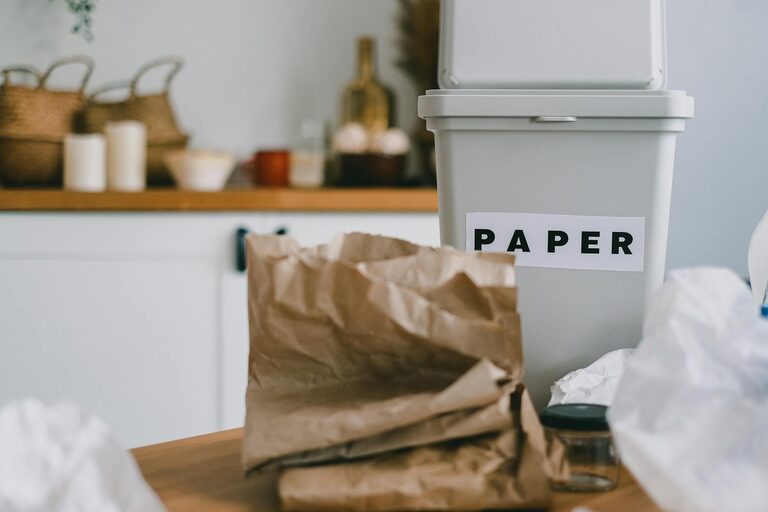
Managing paper clutter is a challenge many households face. From bills and receipts to old magazines and kids’ schoolwork, paper can quickly accumulate and overwhelm your living spaces. Luckily, reducing paper clutter doesn’t require a complete overhaul—simple, consistent habits can make a big difference.
In this post, we’ll explore practical, easy-to-implement ways to cut down on paper clutter and keep your home tidy.
Why Reducing Paper Clutter Matters
Paper clutter can affect your home in more ways than just taking up space. It can increase stress, make it hard to find important documents, and reduce your overall sense of organization. Simplifying your paper management makes daily tasks easier and keeps your environment pleasant and efficient.
—
Start With a Paper Purge
Sort and Declutter
Begin by gathering all loose papers from around your home—drawers, countertops, backpacks, and desks. Sort them into three categories:
– Keep: Important documents like birth certificates, tax forms, warranties, and recent bills.
– Shred or Recycle: Sensitive documents you no longer need.
– Recycle: Non-confidential papers such as old magazines, advertisements, or flyers.
Don’t hesitate to be ruthless. If you haven’t needed a document for more than a year and it isn’t legally required to be kept, it’s likely safe to recycle.
Create a Document System
Once sorted, establish a simple filing system for the papers you keep. Use labeled folders, accordion files, or binders, arranged by categories like bills, medical records, warranties, and school papers.
—
Go Digital Where Possible
Switch to Paperless Billing
Contact utility companies, banks, and service providers to opt in for paperless statements and bills. This reduces the flow of incoming mail and helps you track payments more easily.
Use Document Scanning Apps
Digital copies take up no physical space and are easier to search through. Use apps available for smartphones that scan documents, receipts, and notes. Save these files in well-organized folders on your computer or cloud storage.
Digitize Important Papers
Consider scanning vital records and legal documents and backing them up securely online, so you can access them anytime without needing physical copies.
—
Establish Daily Paper Habits
Handle Mail Immediately
Designate a spot by the door or kitchen where new mail is placed. Sort through it daily and decide immediately whether to file, act on, or recycle each piece.
Limit Incoming Paper
Reduce junk mail by contacting companies on mailing preference lists or by registering with services like the Direct Marketing Association’s opt-out program.
Use a Mailing List Strategy
Before subscribing to magazines or catalogs, consider if you’re willing to manage the incoming paper. Digital subscriptions might be a better alternative.
—
Organize Mail and Paper Inboxes
Set Up a Command Center
Create a small, organized area for mail and paperwork processing. Include:
– Incoming mail tray
– Outgoing mail box
– Filing area
– Calendar and notes section
Having a dedicated spot helps prevent papers from piling up randomly around the house.
Use Containers and Labels
Containers such as baskets or trays keep papers from spilling everywhere. Clear labeling ensures everyone in the household knows where to put and find documents.
—
Manage Kids’ Papers
Keep or Toss?
Kids’ schoolwork and art can be sentimental but overwhelming. Decide on criteria for keeping creations, such as favorites or milestones.
Create a Display Area
Use a bulletin board or a rotating frame to display recent work. Every few weeks, replace displayed items and store favorites in a memory box or scan them digitally.
—
Maintain Your Paper System
Schedule Regular Decluttering
Set a monthly or quarterly reminder to go through files and papers to discard or digitize as needed. Regular upkeep prevents clutter from building again.
Make Paper Management a Family Task
Encourage everyone in the home to participate by handling their mail promptly and respecting the organization system.
—
Bonus Tips
– Use sticky notes or digital reminders to track important dates and deadlines instead of printed calendars.
– Consider a shredder to safely dispose of sensitive documents immediately.
– Keep ample stationery and envelopes on hand for paying bills or sending mail promptly, helping reduce paper piles.
—
Conclusion
Reducing household paper clutter is achievable through a combination of smart sorting, going digital, and adopting consistent habits. By tackling paper as it comes in and maintaining an organized system, you’ll create a calmer, neater home environment.
Start with small changes today, and enjoy the benefits of less paper and more peace in your space!